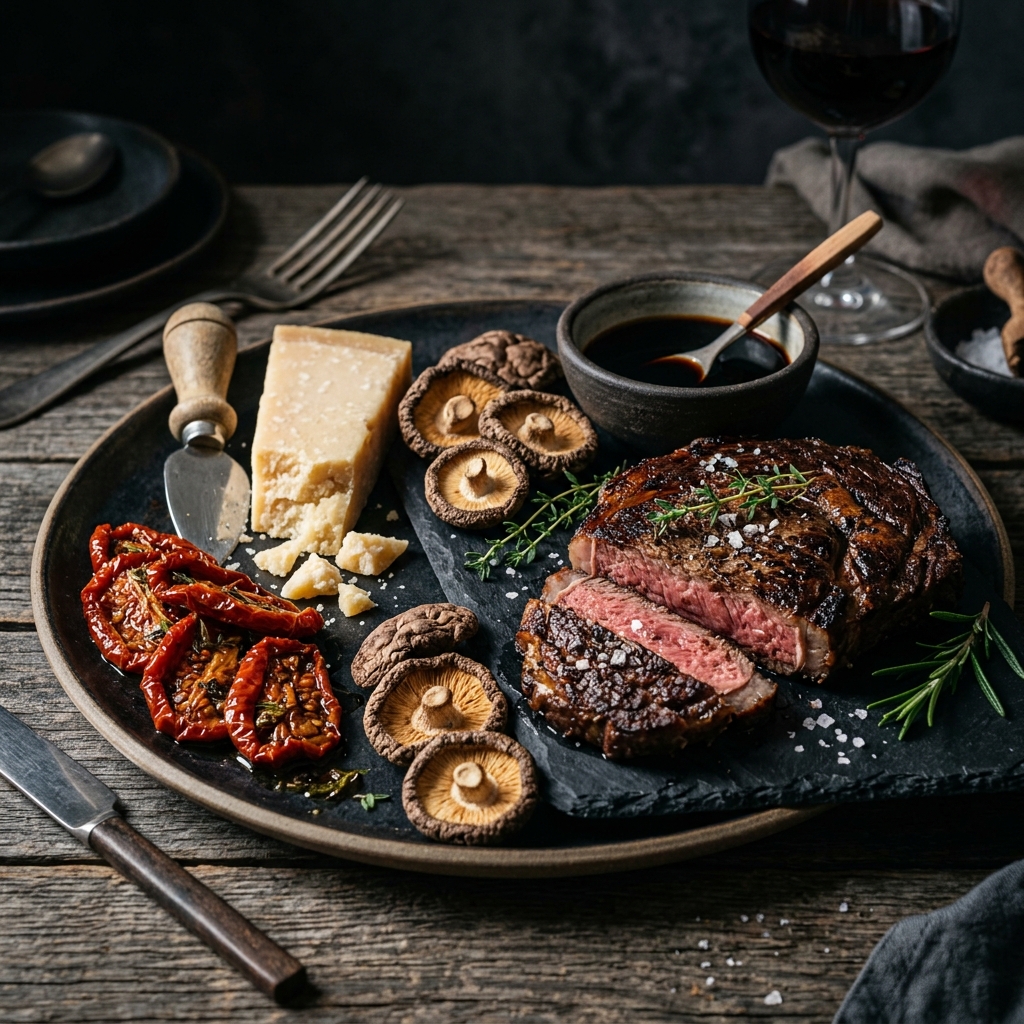
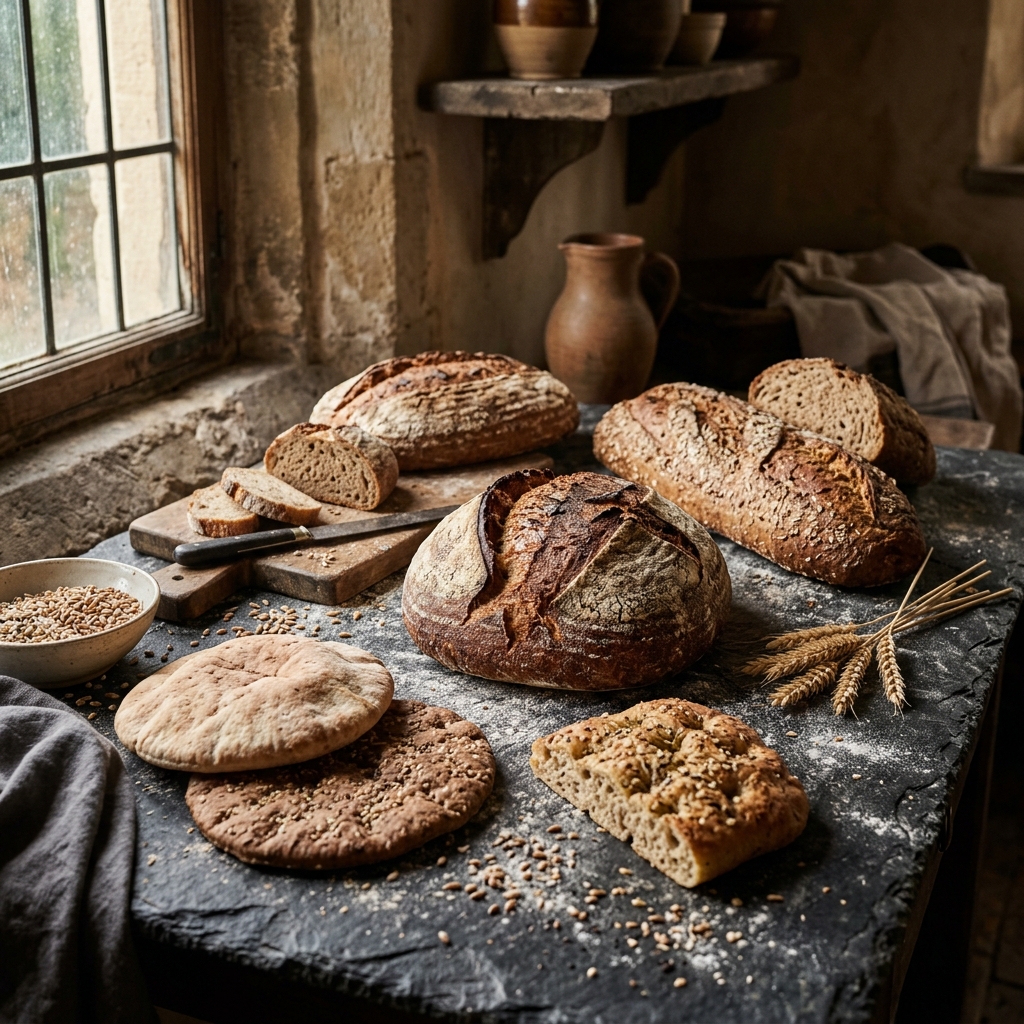
French Food Quality: 7 Best Secrets of the World's Finest Cuisine
- 09 May 2026
✨ Quick Summary: The French Standard
- French food quality is protected by strict national and EU certification systems (AOP, AOC).
- The concept of "Terroir" means that the specific soil and climate define the taste of the food.
- Seasonality is a non-negotiable rule in French markets and home kitchens.
- Short supply chains ensure that products reach consumers at the peak of their freshness.
To understand french food quality, one must first understand that in France, food is not merely fuel—it is a cultural heritage, a source of national pride, and a daily ritual. In 2026, as industrial food systems face increasing scrutiny, the French model of agriculture and gastronomy remains the global gold standard for excellence. The secret to french food quality doesn't lie in complex recipes, but in the uncompromising standards applied to the raw ingredients themselves, from the grass the cows eat to the minerals in the vineyard soil.
The Terroir: The Soul of French Ingredients
At the heart of french food quality is the untranslatable term "Terroir." It refers to the holistic environment in which a food product is produced, including the soil chemistry, the altitude, the orientation toward the sun, and the traditional knowledge of the local farmers. The French believe that a cheese from the Alps should taste like the specific flowers of that mountain range, and a wine from Bordeaux should reflect the gravelly soil of the region. This deep connection to the land is what ensures the unique and superior french food quality that is celebrated worldwide.
Gastronomic Excellence:
- 1. Certification Systems: AOP, AOC, and Label Rouge
- 2. The Market Culture: Buying at the Source
- 3. Uncompromising Seasonality
- 4. The Bakery Standard: Law-Protected Bread
- 5. French Food Quality in 2026: The Eco-Revolution
- Frequently Asked Questions