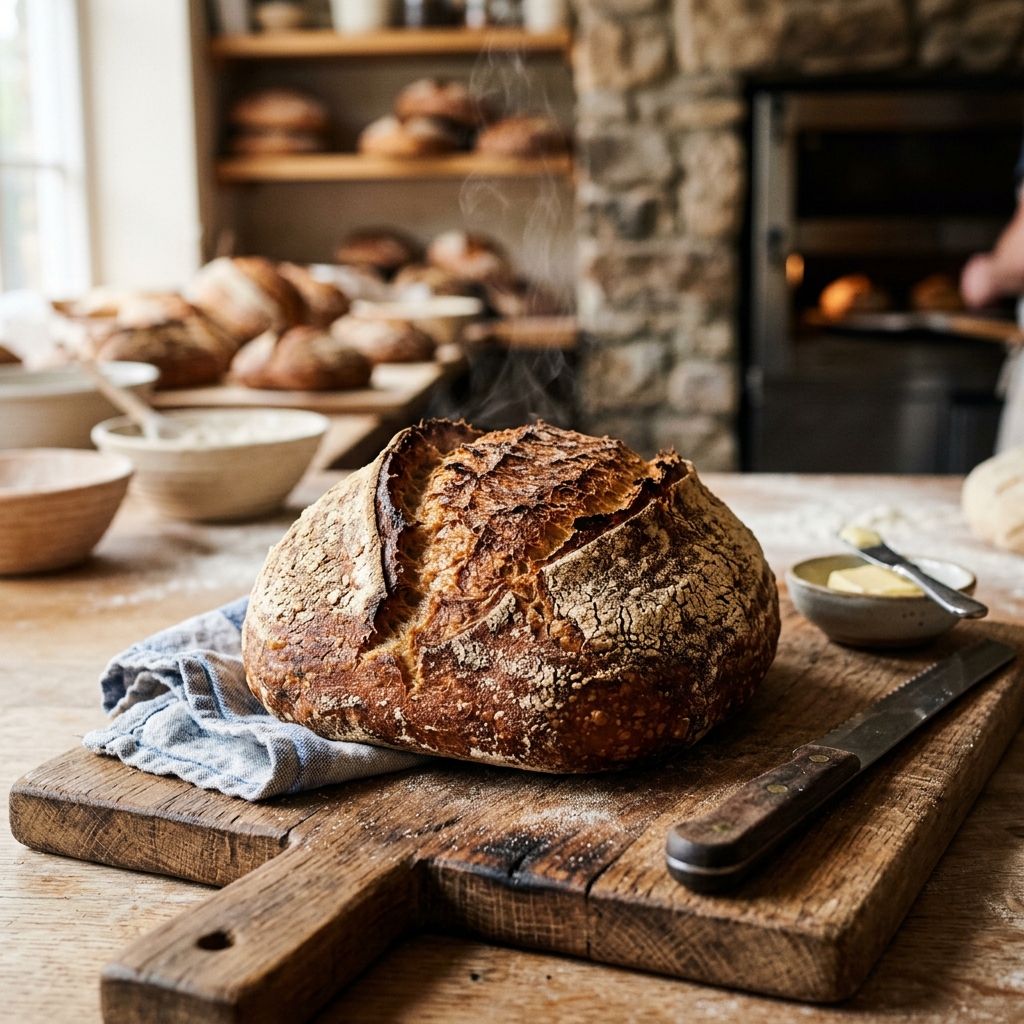
Homemade Pita Bread: Best Secrets for Perfect Pillowy Pockets
- 15 May 2026
Quick Summary: The Magic of Steam
- An authentic homemade pita bread recipe relies on high heat and moisture to create the iconic "pocket" during the baking process.
- The secret to a soft, pillowy texture is a slightly wetter dough and allowing it to rest multiple times to relax the gluten.
- Using a preheated baking stone or a heavy cast-iron skillet provides the necessary thermal shock to make the pita puff up instantly.
- Homemade pita is free from the stabilizers and preservatives found in store-bought versions, offering a much fresher and more nutritious bite.
There is a unique kind of culinary magic that happens in the oven when a flat piece of dough suddenly puffs up like a balloon. In 2026, the homemade pita bread has become a staple for those who enjoy Mediterranean and Middle Eastern flavors at their freshest. While store-bought pitas are often dry and cardboard-like, a homemade pita bread is soft, flexible, and tender. It is the ultimate vessel for everything from creamy hummus to sizzling falafel or grilled meats. Mastering the homemade pita bread is a rewarding skill that brings the authentic taste of the Levant directly to your kitchen. This guide will reveal the seven best secrets to achieving homemade pita bread with perfect, pillowy pockets every single time.
The Ancient History of Flatbreads
Pita bread is one of the world's oldest forms of leavened bread, with roots stretching back thousands of years in the Eastern Mediterranean. In 2026, we value the homemade pita bread for its simplicity and its ability to turn humble ingredients—flour, water, yeast, and salt—into something extraordinary. By following a homemade pita bread recipe, you are participating in a tradition that celebrates communal eating and the joy of sharing fresh, warm bread. Let's explore the science of the "puff" and how to control the heat for a world-class homemade pita bread result.
Table of Contents:
- 1. The Hydration Secret: Why a Wet Dough is Better
- 2. The Resting Rule: Allowing Gluten to Relax
- 3. Rolling Technique: Ensuring an Even Puff
- 4. The Thermal Shock: Preheating Your Surface
- 5. Staying Soft: The Steam-Bag Secret
- Frequently Asked Questions